

From Hospital to Home: How Professional Home Care Speeds Recovery and Prevents Readmissions
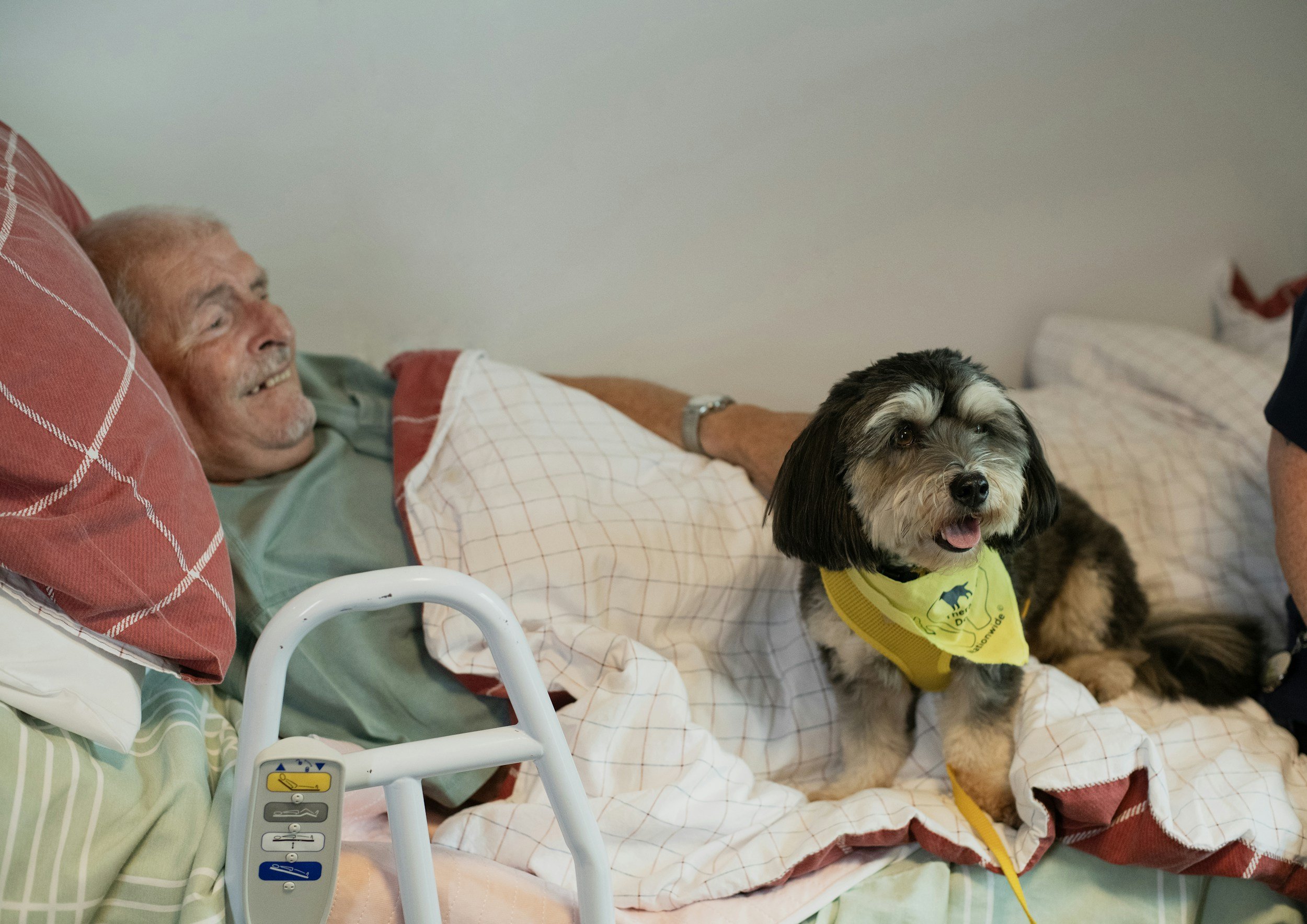
Leaving the hospital after surgery or a serious illness is often a relief—but it can also be a vulnerable time. Many patients are discharged before they feel fully ready to manage recovery on their own. Without proper support, complications, medication errors, or falls can quickly lead to hospital readmission. Home care after hospital discharge provides essential support that helps patients recover safely at home. At TopTier Home Care PA, we specialize in post-hospital and post-surgical in-home care throughout Pennsylvania.

Caring for a Loved One With Dementia at Home: Proven Strategies That Reduce Anxiety and Improve Safety
Caring for a loved one with memory loss or dementia can feel overwhelming, especially as symptoms progress and daily routines become more challenging. Families often worry about safety, communication breakdowns, and emotional distress. Professional home care for dementia clients offers structure, reassurance, and specialized support that helps individuals remain safely at home. At TopTier Home Care PA, we work closely with families across Pennsylvania to provide compassionate, dementia-focused in-home care.

EVV Explained: How Electronic Visit Verification Protects Families and Improves Home Care Services
EVV is a federally required system used to verify that home care visits occur as planned. In Pennsylvania, EVV is required for Medicaid-funded personal care and home health services. The system electronically records visit details such as date, time, location, and type of service provided. This information ensures accountability while supporting accurate scheduling and billing.

Caregiver Burnout Is Real: How Family Caregivers Can Protect Their Health Without Guilt
Family caregivers play an essential role in supporting aging loved ones, often balancing caregiving with work, parenting, and personal responsibilities. While caregiving can be deeply meaningful, it can also be physically and emotionally exhausting. Many caregivers ignore early warning signs of burnout until their own health begins to suffer. At TopTier Home Care PA, we believe supporting family caregivers is just as important as caring for seniors.

Who’s Really Caring for Your Loved One? Inside How Professional Home Care Agencies Train and Vet Caregivers
Choosing a home care provider means trusting strangers with someone you love. For families exploring in-home care, one of the biggest concerns is caregiver quality. Understanding how professional home care agencies screen, train, and support caregivers can provide peace of mind. At TopTier Home Care PA, caregiver vetting and education are foundational to delivering safe, reliable, and compassionate home care services across Pennsylvania.

Having “The Home Care Talk”: How to Gently Help a Loved One Accept Support at Home
Starting a conversation about home care with a loved one can feel emotionally charged. Many seniors associate needing help with losing independence, while families worry about safety and well-being. Knowing how to approach this discussion with empathy, patience, and clear information can make all the difference. At TopTier Home Care PA, we work with families across Pennsylvania who are navigating this sensitive moment for the first time.

How Pennsylvania Medicaid Waivers Help Families Pay for Home Care (What You Need to Know Before You Apply)
Paying for long-term care is one of the biggest concerns families face when a loved one needs ongoing support. Many people assume their only option is a nursing facility, but Pennsylvania offers Medicaid waiver programs that allow eligible individuals to receive in-home care services instead. Understanding how Medicaid waivers work can open the door to affordable, high-quality care at home. At TopTier Home Care PA, we help families navigate these programs so their loved ones can remain safe and comfortable at home.

How to Build a Powerful Care Team That Works Seamlessly With Doctors in Central Pennsylvania
Coordinating care for an aging loved one can quickly become complex—especially when multiple doctors, specialists, therapists, and caregivers are involved. Families across Central Pennsylvania, including Dauphin County, Lancaster County, and York County, often struggle with fragmented communication and unclear care plans. At TopTier Home Care PA, we specialize in helping families build coordinated care teams that work seamlessly with medical providers to ensure safe, effective, and compassionate in-home care.

Eat Well, Age Strong. Simple Nutrition Tips for Seniors Living Safely at Home
Good nutrition plays a direct role in how older adults feel, move, and heal. As people age, the body processes food differently. Muscle mass declines, digestion slows, and appetite often drops. For seniors living at home, smart nutrition supports energy, balance, immune health, and independence. Families working with TopTier Home Care PA often see improved daily function when meals match aging needs.

The Real Reason Falls at Home Put Seniors at Risk Faster Than You Expect
Falls remain one of the leading causes of injury among older adults living at home. In Pennsylvania, thousands of seniors visit emergency rooms each year due to preventable falls. Many of these incidents happen in familiar spaces like bedrooms, bathrooms, and kitchens. Fall prevention at home is not about limiting independence. It is about protecting safety while allowing older adults to continue living where they feel most comfortable.

Preventing Caregiver Burnout: Practical Tips That Actually Work
Caregiver burnout hits families across PA harder than they expect. The stress grows fast when you support an aging parent while balancing work, family, and personal responsibilities. Burnout leads to mistakes, emotional overload, and a drop in the quality of care at home. When you protect your energy and use smart routines, you protect your loved one and your own health. Families who plan ahead see stronger outcomes, fewer emergency situations, and a smoother care experience.
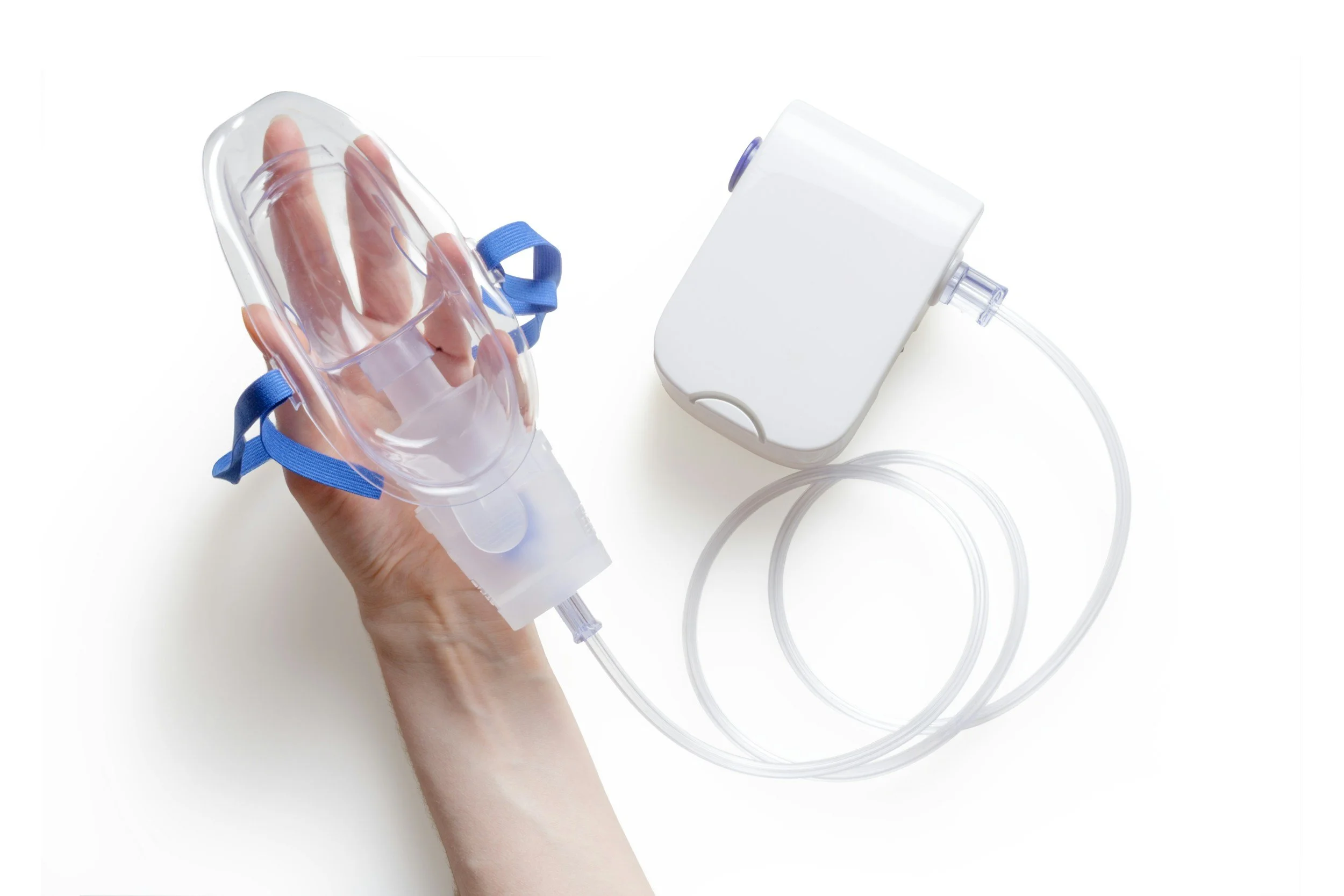
Safe Oxygen Use During Personal Care: What Families and Caregivers Need to Know
Managing oxygen during personal care requires structure and strict safety habits. Oxygen supports breathing. Mistakes raise serious risk. Here is how home care teams handle oxygen tanks, including showering, in a safe and professional way.

Why Many Seniors Hide Their Struggles and How Families Can Start the Conversation With Respect
Many seniors hide daily struggles for one simple reason. Fear of losing control. Admitting difficulty often feels like admitting decline. For aging adults, independence equals identity. When tasks like bathing, cooking, or walking feel harder, silence feels safer. Families often miss early warning signs because seniors work hard to protect their autonomy.

How Personal Care Support Lowers Preventable Hospital Visits for Seniors at Home
Avoidable hospital visits place heavy strain on seniors and families. Many admissions start with small issues at home. Missed medications. Dehydration. Falls. Infections. Personal care support addresses these problems early. Consistent in-home care keeps seniors stable, safe, and monitored before issues escalate.

The Hidden Risks Families Face When Hiring Private Caregivers Without an Agency
Many families turn to private caregivers to save money or move fast. On the surface, hiring independently feels simple. In practice, it exposes families to risks most people do not see until a problem hits. Professional home care agencies exist to manage these risks. Skipping an agency often leads to stress, gaps in care, and legal exposure.

Medication Mismanagement at Home: How Daily Reminders Protect Senior Health
Medication mismanagement at home creates serious health risks for seniors. Missed doses, double dosing, and wrong timing drive many emergency room visits. Aging adults often manage multiple prescriptions with different schedules. Memory changes, vision loss, and fatigue increase error rates. Without support, medication routines break down fast.

What the First Week of In-Home Care Looks Like and How to Start Strong
The first week of in-home care sets the tone for everything ahead. Families often feel a mix of relief, stress, and uncertainty. Clients adjust to new routines. Caregivers learn preferences and habits. When everyone understands what to expect, home care services feel supportive instead of disruptive. A strong start improves trust, safety, and long-term outcomes for seniors and adults receiving care at home.

The Health Impact of Loneliness and Why Consistent Companionship Matters
Loneliness affects more than mood. It influences physical health, mental stability, and daily function. Social isolation links to higher stress levels, disrupted sleep, and increased risk of chronic illness. Research from the CDC and NIH connects prolonged loneliness to heart disease, depression, anxiety, and cognitive decline. For older adults and people aging at home, limited social contact often accelerates these outcomes.

Fall Risks in the home and How to Reduce Them Fast
Falls remain one of the leading causes of injury inside the home, especially for older adults. Most falls do not happen during risky activities. They happen during routine moments. Walking to the bathroom at night. Carrying laundry. Reaching into a cabinet. These events feel sudden, but the risks build quietly through small hazards people stop noticing.
Clutter ranks high among fall risks. Shoes by the door. Cords across walkways. Stacks of mail on tables. These items force people to change their stride without thinking. One misstep leads to loss of balance. Clearing walking paths takes minutes and lowers risk fast. Floors should stay open, dry, and easy to see.

Why Some Seniors Push Back On Help And How To Introduce Care Without Friction
A lot of seniors refuse help even when they need it. It is not about being difficult. It comes from a mix of fear, loss of control, and pride. When you understand what drives the resistance, you introduce care in a way that feels respectful and safe.